Credit Card Skin Canva Template: A Graphics Review for Sellers
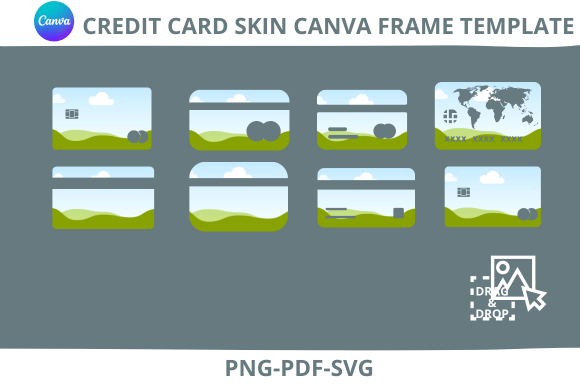
As a digital product creator who has spent years curating assets for Etsy and print-on-demand platforms, I am always looking for that one specific graphic design asset that can elevate a collection. Recently, I came across the Credit Card Skin Canva Template, and my initial instinct was to evaluate it not just as a pretty image, but as a potential revenue driver for my shop. The core promise of this tool is simple yet powerful: you can Create Your Own Unique Credit Card Skin with Our Canva Template Easily customize your credit card using a drag-and-drop interface. You get to choose from a variety of designs, colors, and patterns without needing advanced coding skills. But does it hold up when you are trying to build a professional brand identity? Here is my honest review based on testing this asset for real-world selling scenarios.
First Impressions and Niche Appeal
When I first opened the file, the visual personality of the Credit Card Skin Canva Template stood out immediately. It strikes a balance between modern minimalism and playful customization. For sellers targeting the small business branding niche or those creating lifestyle content, this asset feels premium rather than cheap. The layout respects visual hierarchy, ensuring that even if you add text or logos, the core design remains clean and legible. This is crucial for a digital download intended for commercial use.
The mood is versatile enough to fit various aesthetics. Whether you are building a handmade business focused on stationery or a tech-savvy store selling planner stickers, this template offers a sleek backdrop. It appeals to an audience that values personalization. Buyers love the idea of having a physical item that reflects their unique style, and providing them with a tool to do so easily increases the perceived value of your listing. It feels like a high-quality design bundle component rather than a generic clipart piece.
Real-World Product Applications
The true test of any commercial design is its versatility in production. I ran a series of tests to see how well the Credit Card Skin Canva Template translates into actual products. The results were promising across several categories.
- Merchandise and Print-on-Demand: I used the design as a base for tumbler wraps and mug designs. Because the template is vector-friendly in many aspects, it scales beautifully. When applied to a mockup of a travel tumbler, the pattern looked crisp and professional, perfect for a print-on-demand store.
- Digital Planners and Stickers: The asset works exceptionally well as a decorative element in digital planners. I created a set of sticker design files where users could layer their own photos over the skin pattern. It also served as a background for printable wall art, adding a pop of color to home office setups.
- Social Media and Blog Graphics: Content creators often struggle with consistent branding. I tested this as a frame for Instagram stories and blog headers. The aspect ratio worked perfectly for social media promos, helping to establish a cohesive brand identity across different channels.
- SVG and Cricut Projects: For crafters using Cricut or Silhouette machines, the cut lines were clean. I exported it as an SVG and successfully layered it onto vinyl projects for laptop decals and car windows. It proved to be a solid SVG design for DIY enthusiasts.
This flexibility means you aren't limited to selling just one type of file. You can offer a comprehensive package that includes PNGs for sublimation, SVGs for cutting, and editable Canva links for customers who want to make changes themselves.
Enhancing Product Presentation and Sales
In the crowded world of marketplaces like Etsy and Creative Fabrica, your listing images are everything. A great graphic design asset needs to shine in a thumbnail. The Credit Card Skin Canva Template is visually striking enough to grab attention in a grid view. When I built my product mockups, the design allowed me to create compelling visual storytelling.
I used the template to demonstrate how a customer could transform a plain card into something unique. By showing "Before and After" scenarios in my listing images, I highlighted the ease of customization. This builds customer trust and reduces hesitation. Furthermore, the ability to quickly generate multiple color variations meant I could create a seasonal collection without designing each one from scratch. Whether it is a festive holiday version or a sleek corporate look, the Canva template structure made it easy to maintain brand consistency while keeping the inventory fresh.
For product bundles, this asset acts as a hero item. Pairing it with matching invitation templates or greeting cards creates a higher perceived value. Customers feel they are getting a complete solution for their event or business launch, which can justify a higher price point.
Strategic Considerations and Risks
While the asset is strong, there are areas where caution is required. Not every design fits every application. I found that the intricate details of the Credit Card Skin Canva Template might get lost if used as a tiny sticker detail or in a very crowded thumbnail. If you are creating low-resolution print products, ensure you export at 300 DPI; otherwise, the edges may appear jagged.
Another critical factor is contrast. On dark backgrounds, some lighter elements of the design might lose visibility. Always test your final output on both white and dark backgrounds before publishing. Additionally, if you are selling this as a file for cutting machines, verify the SVG cut quality. Sometimes complex gradients in Canva can complicate cutting paths, so simplifying the design for the final SVG export is a smart move.
Be careful with text-heavy templates. While customization is key, too much text can clutter the design and make it hard to read on small merchandise items. Keep the text layers separate and suggest font pairings to your buyers to maintain clarity.
Practical Seller Notes for Success
To maximize the potential of this asset, follow these practical steps before hitting publish:
- Test on Real Mockups: Don't just rely on digital previews. Place the design on a photo of a real credit card or a printed card stock to check for realistic shadows and lighting.
- Verify File Formats: Ensure your PNG files have transparent backgrounds and your SVG files are clean. Inspect the transparency by zooming in to 400% to catch any stray pixels.
- Font Pairing Strategy: When creating examples for your shop, experiment with different typography. Pair the design with a serif font for a classic look, a sans serif font for modern appeal, or a script font for a feminine touch. This shows buyers the range of possibilities.
- Organize for Clarity: Create a clear folder structure for your customers. Include instructions on how to access the Canva link and how to duplicate the template.
- Licensing Check: Always confirm the commercial license terms. Some assets allow you to sell the final product but restrict reselling the raw template. Knowing this distinction protects your business from legal issues.
The Credit Card Skin Canva Template is more than just a pretty picture; it is a functional tool for creative entrepreneurs. By understanding its strengths and limitations, you can integrate it into a diverse range of digital products and design assets. Whether you are a seasoned designer or a new seller looking to expand your catalog, this asset offers a reliable foundation for creating professional, sellable goods.