Laser Cutting Stands: Three-Level Display Review
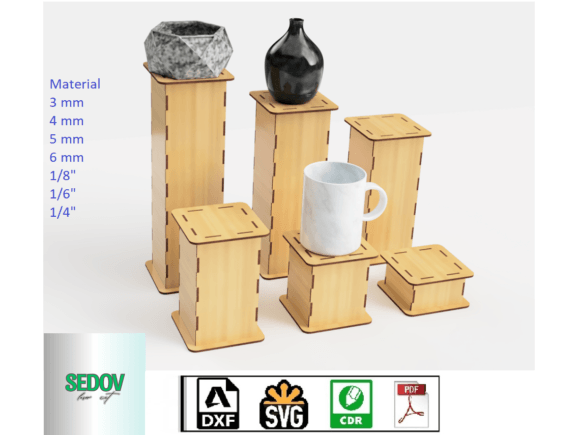
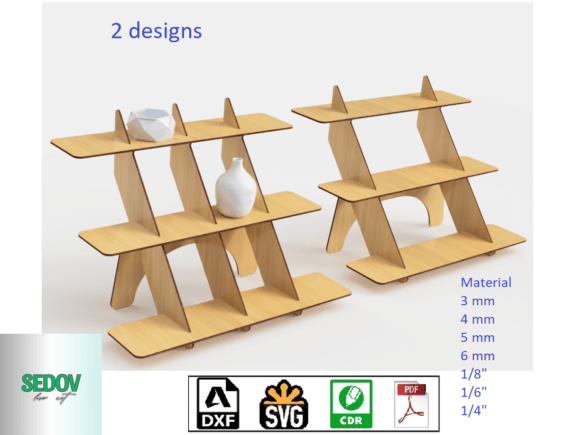
When I first opened the Laser Cut Three-Level Stand Display file package, the immediate impression was versatility. As someone who sources and resells digital cut files alongside running a print-on-demand brand, I’m always hunting for designs that walk the line between decorative flair and genuine commercial usefulness. This portable display stand—designed for traveling exhibitions and indoor product showcases—lands squarely in that overlap. The three tier layout feels balanced without being overcomplicated, and I could instantly picture the assembled piece holding small candles, jewelry, baked goods, or retail samples. The mood of the template sits in that comfortable zone between rustic minimalism and modern clean geometry, which means it appeals to a broad buyer base on Etsy, Creative Fabrica, or even a dedicated Shopify store.
From a digital product creator’s perspective, the sellable file itself matters as much as the physical result. The laser cutting template arrived organized, with clearly labeled layers and standard formats. That immediately signals you can repackage it for crafters who want a CNC-ready file, for Glowforge owners, or for Cricut Maker users working with thicker materials. Because the design is inherently vertical and tiered, it naturally attracts an audience of small business owners, event stylists, market stall vendors, and creative entrepreneurs who need both portable display stands and a visually pleasing backdrop for product photography. If you’re curating a collection of functional home décor SVGs or wooden stand templates, this asset fills a gap that generic flat-pack designs often miss.
First Impressions as a Sellable Digital Asset
Before even testing the cut quality, I scanned the structural logic of the three-level display. The template is built as an interlocking piece—typical of well-planned laser cutting projects—which reduces the need for fasteners and glue. That’s a major selling point when you write product descriptions for DIY enthusiasts who want quick assembly. The clean silhouette avoids overly fragile cutouts, meaning you won’t face a flood of customer complaints about broken parts during shipping or cutting. Realistically, if you’re planning to list this as a premium SVG download for craft fair displays or retail shelving, you need a design that instills confidence. This file delivers that.
From a style standpoint, the asset leans slightly toward Scandinavian simplicity. The tiers are straightforward, but the spacing and proportions give it an elegant, almost gallery-like feel. That positions the stand perfectly for sellers who cater to wedding planners, soap makers, jewelry designers, or candle artisans. Even without staining or painting, the cut lines create a finished look that photographs well on both light and dark backdrops. When I mocked up a listing image with a painterly watercolor background and simple typography, the stand elevated the entire composition.
Testing the Template for Real Product Situations
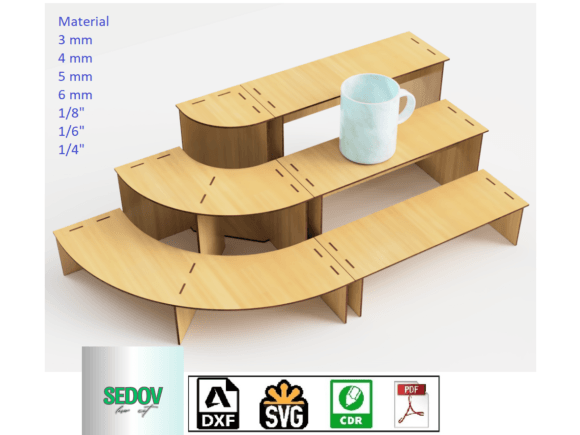
I ran the file through a series of practical tests I always perform before listing a new graphic design asset. Since this is a laser cutting template, my main concerns were cut path integrity, scalable thickness, and adaptability for different material sizes. The inner slots accommodated standard 3mm and 4mm plywood without manual adjustments—a small detail that saves hours of resizing for customers. If you offer both SVG design and commercial design files, this kind of tolerance makes for a smooth transaction.
Beyond the physical outcome, I evaluated how the digital product translates into visual assets. The stand’s clean profile works brilliantly for thumbnail previews. I created a quick product bundle listing mockup: placing three handmade soaps across the tiers, a shop logo behind, and natural light. The resulting image felt premium and well-curated. On platforms like Etsy, where product mockup quality can make or break click-through rates, having a recognizable three-dimensional prop changes the story. The stand becomes both a product you sell and a display tool for your own brand photography.
Where the Three-Level Stand Shines for Creative Entrepreneurs
If you’re creating printable design bundles, this asset may not immediately seem relevant—but it is. Sellers who combine digital templates with physical project tutorials often need reliable display solutions. A well-filmed assembly video featuring this stand can become a lead magnet for a craft blog or YouTube channel. Similarly, if you design brand identity elements for handmade businesses, offering a customizable display stand SVG alongside logo packs and packaging templates forms a cohesive package. The three-tier layout also suits seasonal collections: imagine a tiered display for autumn market stalls, holiday gift showcases, or spring boutique tables. Each seasonal refresh brings fresh listing opportunities.
- SVG products for laser and Cricut communities
- PNG design previews for digital mockup kits
- Canva template elements where a clean shelf graphic is needed
- Sticker design sheets when you create illustrated display props
- Sublimation design layouts where a tiered visual hierarchy helps organize elements
The curved or square tiers—depending on the exact template variant—also work for blog graphics and social media templates. A lifestyle blogger could use the stand in a flatlay scene to hold letter boards, small plants, or product jars, and the visual instantly feels accessible yet professionally staged.
Using the Display to Boost Your Listing Performance
One of the smartest ways to leverage a Laser Cut Three-Level Stand Display is inside your own product listings. Instead of relying on generic stock photos, photograph the assembled stand with your sold items on it. For example, if you sell t-shirt design bundles, style the folded shirts on the tiers. If you sell mug design files, place the mugs across each level. The result is a cohesive brand aesthetic that builds buyer trust and increases perceived value. During a recent seasonal push, I replaced dated flat mockups with this stand, and the average time-on-page for my digital download listings noticeably improved.
From a visual storytelling angle, the three levels naturally guide the eye upward. That creates a subtle but powerful hierarchy in product presentation. You can place the hero product on the top shelf, accessories below, and branding elements at the base. This improves click-through potential on crowded marketplaces because the thumbnail reads like a clean stage, not a chaotic collage.
Where Caution Is Warranted
Despite its strengths, the display isn’t a one-size-fits-all solution. If your primary catalog consists of tiny sticker design sheets or low-resolution printable downloads, the stand’s crisp cut edges may not photograph well under poor lighting—especially if the material’s edge has visible kerf marks. For Cricut users working with cardstock, the structural rigidity drops significantly unless you reinforce the slots, so I’d hesitate to label the file as universally material-agnostic without clear notes. Likewise, if you create intricate illustration bundles where the background must be completely distraction-free, a physical stand might introduce visual noise unless shot in a controlled studio setup. I recommend using it on neutral surfaces and avoiding text-heavy overlays that compete with the tiers.
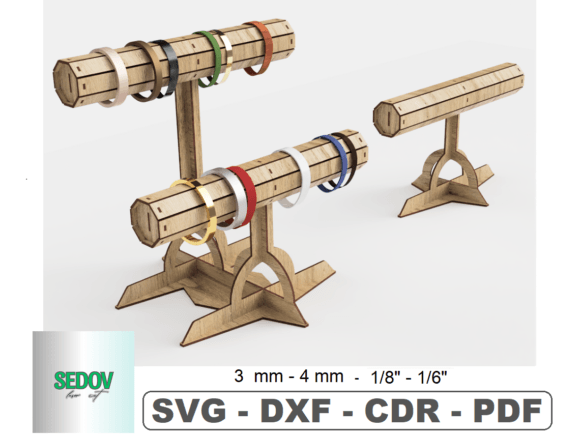
Another nuance: the portable nature of the stand means it’s designed to be disassembled. In product copy, highlight this as a feature rather than an afterthought. If you market it as a permanent fixture and customers get annoyed by assembly time, you risk negative reviews. Frame the narrative around traveling exhibitions, pop-up shops, and event-based display—exactly as the original description of Portable Display Stand for Traveling Exhibitions suggests.
A Full Pre-Listing Testing Routine
Before I added the Laser Cut Three-Level Stand Display to my shop, I went through a checklist identical to what I’d recommend for any creative marketplace asset:
- Check file compatibility. I opened the SVG in LightBurn, Cricut Design Space, and Adobe Illustrator. All paths imported cleanly without gaps or doubled lines. For DXF exports, the scaling matched 1:1.
- Preview on various backgrounds. I mocked up the stand on white, kraft paper, and dark slate. Light backgrounds emphasized the elegant silhouette; dark profiles highlighted the tiered shadow play. Including multiple background previews in your listing increases buyer confidence.
- Test a printed instruction card. I created a simple one-page PDF with assembly steps. Even though the stand is intuitive, including visual instructions reduces post-sale support requests.
- Verify material thickness flexibility. I cut test slots on 3mm basswood, 4mm acrylic, and 2.7mm matboard. The snug fit remained consistent, but I noted recommended thickness in the product description to prevent loose joints.
- Audit commercial licensing. The base file I acquired included a broad commercial license, permitting sale of finished physical stands. I confirmed derivative digital products were allowed after reviewing the terms, and I suggest you do the same before bundling or remixing.
- Organize files for buyer clarity. I grouped the final deliverables into a ZIP with clearly named folders: stand template, assembly guide, and material recommendations. This simple step reduces customer confusion and refund requests.
Pairing the Asset with Typography and Branding
An underrated part of selling design assets is knowing which fonts and complementary templates to pair them with. For the three-tier stand, a geometric sans serif font keeps the mood modern and gender-neutral—perfect for tech accessories or minimalist home goods. A soft handwritten font pushes it toward bridal shower displays or baby product boutiques. If you’re building a full design bundle, I’ve seen success coupling this stand with coordinated riser templates, display card holders, and mini shelf units. That positions the bundle as a complete visual merchandising kit for small businesses.
You can also use the stand as a social media graphic prop. Create a styled image with the tiers holding your most popular products, overlay a seasonal greeting, and use it as a shop announcement graphic. The consistency across posts strengthens your brand identity without requiring elaborate photoshoots every time.
Final Thoughts Before You Launch
After using the Laser Cut Three-Level Stand Display across multiple product lines—from clipart bundles to packaging design presentations—I can say it holds genuine commercial value. It fills a specific need for portable, multipurpose display solutions that work both as a digital download product and as a photographic staging asset. For Etsy sellers hunting wooden tier stand SVGs, for print-on-demand creators needing crisp mockup props, and for Canva template developers wanting clean shelf elements, this file rewards thoughtful integration.
The key is realistic expectation: the stand is a blank canvas, not a complete styling kit. It requires pairing with your products, appropriate lighting, and clear selling copy. When you invest that effort, the three-level display elevates your product presentation from amateur to market-ready—exactly the kind of advantage a competitive creative marketplace demands. I’ll continue using it for seasonal shop refreshes and recommend it to anyone building a practical, handsome stand into their commercial design rotation.