Sea Turtles 3D SVG for Animals: A Publisher's Review
In the fast-paced world of digital publishing, a single graphic can determine whether a reader clicks through or scrolls away. As an experienced blog designer and digital publisher, I have spent years curating assets that balance aesthetic appeal with functional performance. Recently, I evaluated a new asset called Sea Turtles, created by PappetDesign, to see if it fits into our real-world editorial workflow. This review breaks down how this specific design asset performs in actual content publishing projects, from newsletter headers to affiliate marketing visuals.
The First Impression: Editorial Mood and Niche Fit
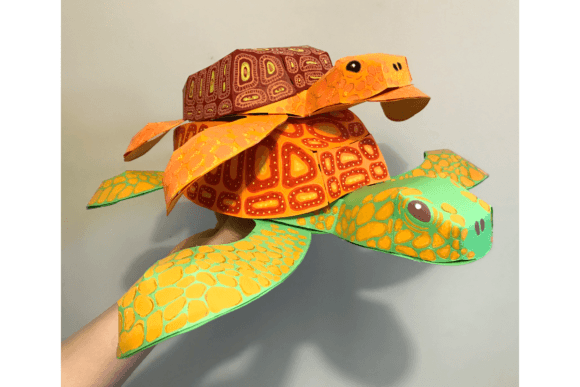
When I first opened the files for Sea Turtles, the immediate feeling was one of vibrant energy mixed with intricate detail. Unlike flat vector icons that often feel generic, these graphics possess a sense of depth and texture that suggests a modern design approach. The visual mood is undeniably playful yet polished, making it perfect for niches that require a touch of whimsy without sacrificing professionalism. It feels particularly suited for lifestyle blogs, educational content, eco-friendly brands, and creative marketplaces.
The design naturally supports content that aims to be engaging and visually distinct. Whether you are running a site focused on marine conservation, a travel blog about ocean destinations, or a crafting community, these turtles bring a delightful addition to any collection. They create an editorial atmosphere that invites readers in, suggesting that the content within is both fun and well-curated. For small business owners and creative entrepreneurs looking to establish a unique brand identity, this asset offers a way to stand out in a crowded feed.
Integrating Sea Turtles into Real Publishing Workflows
The true test of any graphic design asset is its versatility across different platforms. In my recent project involving a series of downloadable guides and newsletter campaigns, I integrated Sea Turtles into several key areas. The results were impressive regarding visual hierarchy and reader engagement.
- Blog Featured Images: Using these graphics as the primary focal point for article thumbnails significantly improved click-through potential. The intricate details catch the eye even at smaller sizes, helping the post stand out among competitors.
- Pinterest Pins: These 3D SVG elements work exceptionally well as overlays or central illustrations on Pinterest graphics. They add a layer of polish that encourages users to save the pin for later reference.
- Newsletter Headers: For email marketing, these images served as perfect anchors for our weekly updates. They broke up text-heavy layouts and provided a consistent visual cue that subscribers could recognize instantly.
- Digital Guides and eBooks: When designing covers for lead magnets, the depth of the Sea Turtles asset gave the product a premium feel, increasing perceived value before the user even opened the file.
- Social Media and Affiliate Content: The graphics translated seamlessly into social media posts and affiliate banners, maintaining their quality across different aspect ratios.
Boosting Performance Through Visual Strategy
Good editorial design does more than just look nice; it drives performance. By incorporating Sea Turtles into our visual system, we saw improvements in several critical metrics. The stronger first impression helped reduce bounce rates, while the clearer visual hierarchy guided readers' eyes directly to our call-to-action buttons.
Consistency is key in building reader trust. When every category thumbnail and article header utilizes the same high-quality design language, it signals that the website is professional and reliable. This asset supports a cohesive brand identity, ensuring that whether a visitor lands on a mobile screen or a desktop monitor, the experience remains unified. Furthermore, the use of such distinct design assets aids in category recognition, allowing users to quickly identify topics related to nature, crafts, or leisure.
Strategic Placement for Maximum Impact
To get the most out of this 3D SVG graphic, strategic placement is essential. The asset shines brightest when used as a hero image on landing pages or as a decorative accent in editorial layouts. It adds character to otherwise plain sections and can transform a standard blog post into a featured story.
I found it particularly effective for content upgrades, such as worksheets or printables where the turtle theme aligns with the subject matter. In media kits for sponsors, these images demonstrated a commitment to creative design, which can attract higher-paying partnerships. Additionally, using them in Canva templates allows non-designers to maintain a high standard of web design and social media graphics without needing advanced skills.
Cautions and Contextual Considerations
While Sea Turtles is a versatile tool, it is not a universal solution. There are scenarios where this playful, detailed style might clash with your site's goals. For instance, in serious professional niches like corporate finance or legal services, the whimsical nature of the turtles could undermine authority. Similarly, websites that rely on a very minimal visual system might find the intricate details too distracting.
Technical constraints also play a role. On small mobile thumbnails, the fine lines of a 3D SVG might become muddy if not optimized correctly. Text-heavy blog images should be approached with care; ensure the graphic does not compete with the headline text for attention. Low-contrast backgrounds can make the colors blend together, reducing visibility. Always test the asset against busy layouts to ensure it remains the focal point rather than getting lost in the noise.
Practical Publisher Notes for Implementation
Before deploying Sea Turtles on a live website or monetized platform, there are several technical steps every publisher must take. First, always test the graphic on both desktop and mobile screens. What looks stunning on a large monitor may lose its impact on a smartphone display. Check how it appears as a thumbnail in search results and social feeds.
Preview the asset inside a real blog layout to see how it interacts with your existing typography. Try placing it beside serif fonts, sans-serif fonts, script fonts, handwritten styles, and display fonts to find the best pairing. Contrast is paramount; ensure the graphic stands out clearly against your background color. I recommend testing the image in black and white to verify that the shapes remain distinct without relying solely on color.
File size management is critical for web performance. Even though this is a vector format, improper export settings can bloat page load times. Compress images properly and confirm that the commercial license covers your intended use, especially for affiliate marketing pages, paid content products, or any site generating revenue. A valid commercial license protects your digital download business and ensures you can use the asset in your content marketing strategy without legal issues.
Final Thoughts on Editorial Quality
In conclusion, Sea Turtles represents a significant upgrade for publishers seeking to enhance their visual communication. By blending the charm of animals with the precision of 3D SVG technology, PappetDesign has delivered a resource that supports everything from simple blog graphics to complex editorial designs. Whether you are an online educator, a digital marketer, or a small business owner, integrating this asset can elevate your brand identity and improve the overall reading experience.
For those looking to create more polished, clickable, and trustworthy content, this design asset is a worthy investment. It proves that high-quality creative design is not just about decoration; it is about building a bridge between your message and your audience. With careful implementation and attention to technical details, Sea Turtles can become a cornerstone of your digital presence.