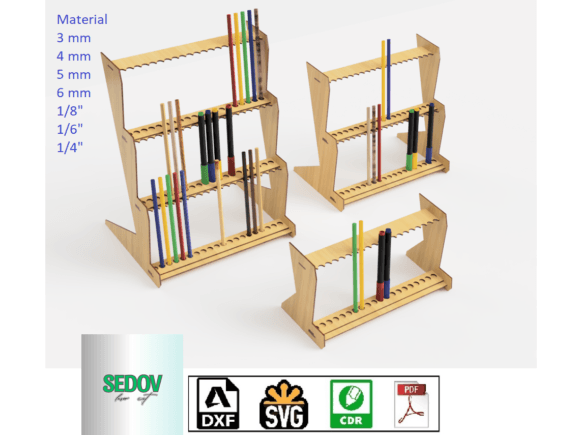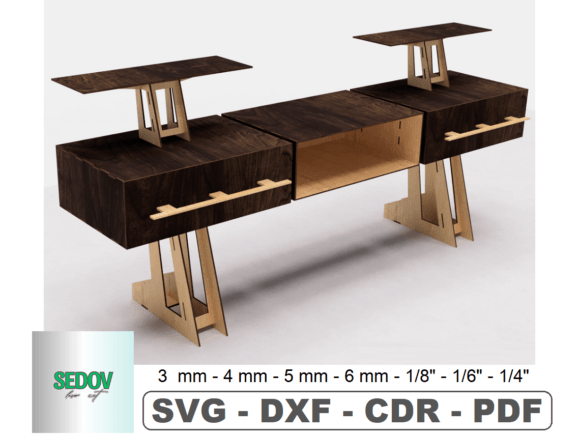
Desk Shelf Laser Cut Files Book Shelf Review
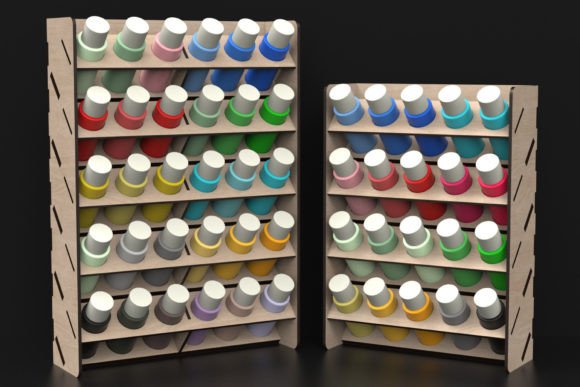
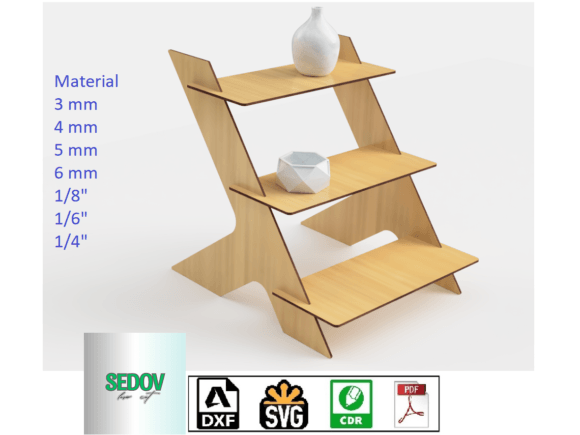
When I first opened the file for the Desk Shelf Laser Cut Files Book Shelf, I didn't just see a geometric shape; I saw a potential centerpiece for a very specific type of client project. As a designer who spends hours testing how digital assets translate into physical stitches, my initial reaction was one of cautious optimism. The concept is straightforward: a functional desk organizer with two drawers. However, the challenge lies in translating that architectural line work into something that feels warm and inviting when stitched onto fabric, rather than cold and rigid like a blueprint.
The visual personality of this design leans heavily towards modern minimalism. It creates a mood of organized productivity, which makes it an excellent candidate for home office decor or boutique branding. But does it hold up under the needle? In my experience, designs labeled as Laser Cutting files often rely on crisp, sharp lines that can be tricky to replicate with thread without losing definition. This particular piece requires careful consideration of stitch density and thread choice to ensure the "drawers" don't look like a solid block of color but retain their structural integrity.
From Digital File to Finished Product: A Real-World Scenario
Let's imagine a real-life scenario where this design would shine. Picture an Etsy seller preparing a custom gift set for a new remote worker. They are creating a personalized tote bag paired with a matching apron for a coffee enthusiast who loves organizing their workspace. The seller wants to include a motif that screams "productivity" without being cliché. Enter the Desk Shelf Laser Cut Files Book Shelf.
I tested this concept by mocking up the design on a heavy-duty canvas tote. The immediate question was: would the drawer handles and shelf lines disappear into the texture of the fabric? On a smooth cotton twill, the design performed admirably. The clean lines of the shelf structure translated well, provided we used a high-density satin stitch for the outlines. However, if this were applied to a rough, textured burlap sack, the details might get lost. The key here is understanding that this isn't just a decorative element; it's a representation of utility. When customers see this embroidery on a finished product, they should immediately associate it with order and style.
In another scenario, consider a small business owner creating branded merchandise for a stationery shop. They want to embroider this design on sweatshirts or polo shirts. The Desk Shelf Laser Cut Files Book Shelf works beautifully here because it offers a professional aesthetic that aligns with corporate gifting. Unlike a whimsical cartoon or a complex floral arrangement, this design communicates competence. It suggests that the wearer values organization, making it a subtle yet powerful branding tool for a creative entrepreneur.
Technical Performance and Stitch Clarity
When evaluating any embroidery file for commercial use, the devil is always in the details. For the Desk Shelf Laser Cut Files Book Shelf, the primary concern is the complexity of the geometry. Designs with straight lines and right angles can sometimes suffer from puckering if the stabilizer isn't chosen correctly. Because this design mimics a laser-cut object, it relies on precision. If the stitch density is too low, the fill areas might look patchy, undermining the illusion of a solid shelf. Conversely, if the density is too high, you risk distorting the fabric, especially on lighter materials.
I recommend using a cutaway stabilizer for this project, particularly if you are working with stretchy fabrics like jersey for baby clothes or athletic wear. The structural nature of the design demands a firm foundation to maintain its shape after washing. For the threads, I suggest a palette that contrasts well with the background. A dark navy or charcoal thread on a white shirt will make the shelves pop, whereas a monochromatic approach might look flat. The goal is to highlight the "two drawers" aspect mentioned in the description, ensuring the separation between the storage compartments is clearly visible through the stitching.
If you are planning to create an embroidered patch using this design, pay close attention to the border. Since the original file is likely optimized for cutting, you may need to add a distinct edge stitch or a blanket stitch to prevent fraying and give the patch a finished look. This adds a layer of professionalism that customers expect from handmade goods sold at craft fairs or online marketplaces.
Where to Exercise Caution
Not every surface is suitable for this design. While the Desk Shelf Laser Cut Files Book Shelf is versatile, there are specific scenarios where it might struggle. Small hoop sizes are a major limitation. If you attempt to stitch this onto a cap or a tiny baby bib, the fine details of the shelf supports and drawer fronts could merge together, resulting in a muddy appearance. In these cases, simplifying the design or scaling it up might be necessary, but that changes the intended aesthetic.
Textured fabrics present another hurdle. Embroidering this design on a thick fleece or a heavily woven linen can cause the stitches to sink into the material, obscuring the crisp lines that define the shelf. Similarly, dark fabrics require a high-quality underlay and potentially a top-layer stabilizer to ensure the thread colors remain vibrant and distinct. If you are working with thin fabrics, such as silk or sheer organza, the weight of the embroidery could cause the fabric to sag, ruining the drape of the garment.
Additionally, be mindful of curved surfaces. While caps are popular for embroidery, the curvature of a baseball cap can distort straight horizontal lines. The shelves might appear to bow or warp depending on the tension of the machine. For best results, reserve this design for flat surfaces like tote bags, pillow covers, kitchen towels, or the chest area of sweatshirts where the fabric remains relatively stable.
Design Notes for the Professional Maker
Before committing to a full production run, I cannot stress enough the importance of testing. Always stitch out the Desk Shelf Laser Cut Files Book Shelf on scrap fabric that matches your final material in both weight and texture. Check the thread color contrast in natural light, as artificial lighting can sometimes hide poor definition. Review the stitch density to ensure the fill stitches are tight enough to cover the base fabric but loose enough to avoid puckering.
Inspect the small details closely. Are the drawer lines clear? Do the corners hold their shape? If you are selling this as a digital embroidery file or offering a service to create finished products, you must confirm the licensing terms. Some files allow for personal use only, while others permit commercial sales of the finished item. Verify these details before listing your handmade product on platforms like Etsy or including it in your boutique branding.
Finally, think about the customer experience. A well-executed embroidery of a desk shelf conveys a sense of care and attention to detail. It elevates a simple tote bag or apron into a thoughtful personalized gift. When buyers see the precision of the lines and the clarity of the design, their trust in your brand increases. It signals that you understand the nuances of machine embroidery design and have selected assets that will stand the test of time and washing.
In conclusion, the Desk Shelf Laser Cut Files Book Shelf is a strong contender for designers looking to add a touch of modern functionality to their repertoire. Whether you are creating holiday embroidery gifts, commercial embroidery for a tech startup, or unique craft business items, this design offers a sophisticated alternative to traditional motifs. Just remember to respect the limitations of the medium, choose your materials wisely, and always prioritize the quality of the finish over the speed of production.