Background Circles Bauhaus Style: A Designer's Real-World Review
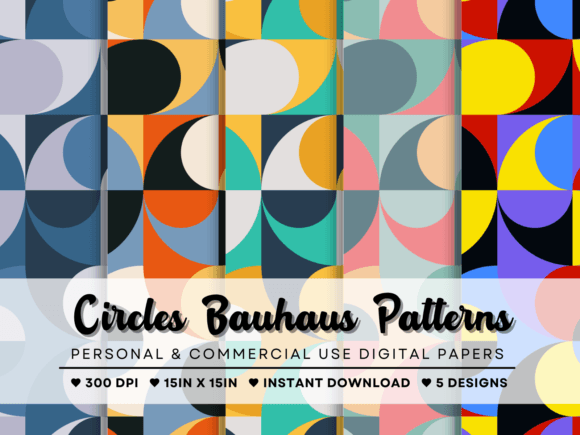
When I first opened the file for Background Circles Bauhaus Style, I didn't just see a pattern; I saw potential. As someone who spends hours evaluating digital assets before they ever hit the embroidery machine, my initial reaction was one of cautious optimism. The Bauhaus aesthetic is timeless, but translating geometric precision into thread requires a specific kind of confidence. This design isn't just another decorative graphic; it feels like a structural element waiting to be stitched.
The visual personality of this asset is distinctively modern and clean. The abstract geometric shapes create a rhythm that is both playful and sophisticated. Unlike some busy patterns that can look muddy when digitized, the open space within these circles suggests a design that will breathe well on fabric. It immediately reminded me of the mid-century modern interiors I love, where form follows function. For an embroidery designer, that functional clarity is gold. It promises a finished product that looks intentional rather than accidental.
From Screen to Stitch: A Real Project Scenario
Let's talk about how this actually performs in the real world. I recently had a client request a custom line of tote bags for a local boutique. They wanted something that screamed "handmade" but maintained a high-end, gallery feel. We needed a background that wouldn't overpower a logo or text but would add enough texture to make the bag stand out on a crowded craft fair table.
I pulled up Background Circles Bauhaus Style as a test case. Placing it on a mockup of a heavy cotton canvas tote, the result was striking. The geometric layout worked perfectly as a subtle backdrop for a bold, embroidered brand name placed in the center. The circles provided a frame without competing for attention. If we had used a floral motif, the text might have gotten lost, but the rigid geometry here supports typography beautifully.
Imagine taking this further. What if we applied this to a sweatshirt? The crisp lines of the Bauhaus style contrast wonderfully with the soft, fuzzy texture of fleece or French terry. When stitched, the satin stitches around the edges of the circles catch the light differently than the fill stitches inside them, creating a tactile dimension that flat graphics simply cannot achieve. It transforms a basic garment into a statement piece, elevating the perceived value of the item significantly.
Where This Design Shines in Embroidery Projects
This machine embroidery design is versatile, but it has specific sweet spots where it truly excels. Because of its structured nature, it fits seamlessly into commercial embroidery projects where consistency is key. Whether you are producing a batch of branded aprons for a coffee shop or creating personalized gifts for a wedding party, the uniformity of the geometric shapes ensures every piece looks identical and professional.
- Tote Bags and Shop Merchandise: The pattern works exceptionally well as an all-over background or a large panel on the side of a tote. It adds depth without adding excessive weight to the fabric.
- Baby Items and Nursery Decor: The soft curves of the circles, combined with the playful color palette often associated with this style, make it ideal for baby blankets or pillow covers. It creates a calming, organized visual environment perfect for a nursery.
- Holiday Gifts and Seasonal Decor: Think of kitchen towels or tea towels for holiday gatherings. The clean lines offer a modern twist on traditional seasonal items, appealing to buyers who want contemporary aesthetics for their homes.
- Embroidered Patches: The defined shapes are excellent for patch production. The geometric borders allow for clean cutting and finishing, making them durable accessories for jackets or hats.
For Etsy sellers and small business owners, this design offers a great opportunity to create cohesive branding. You can use the same embroidery file across different products—caps, shirts, and stickers—to build a recognizable visual identity. Customers trust brands that look consistent, and this design provides a strong foundation for that professionalism.
Critical Considerations for Fabric and Placement
However, not every surface is a good match for Background Circles Bauhaus Style. As an experienced reviewer, I need to be realistic about where this design might struggle. The primary concern lies in the stitch density and the nature of the fabric.
If you plan to use this on stretchy fabrics like thin jersey or delicate knits, proceed with caution. The tension required to hold the geometric shapes together could cause the fabric to pucker or distort, ruining the crisp lines that make the design special. In such cases, using a proper stabilizer is non-negotiable. A cut-away stabilizer is often recommended for maintaining the shape of geometric designs over time, especially for items that will be washed frequently.
Another area to watch is small hoop sizes. While the individual circles are simple, the overall composition might lose impact if scaled down too much. On tiny items like a cap front or a small pocket, the details might become indistinguishable, turning into a blob of thread. Always check the hoop size requirements and ensure the design retains its integrity at the intended scale. Similarly, dark fabrics require careful consideration of thread colors. High contrast is essential for the geometric shapes to pop; low contrast threads on dark backgrounds will result in a muddy appearance that lacks the intended Bauhaus clarity.
Practical Tips for the Embroidery Designer
Before you commit to running a full production batch, there are several steps you must take to ensure success. First and foremost, always test the design on scrap fabric. This is the golden rule of embroidery. Check how the stitch density interacts with your specific fabric type. Does the satin stitch lay flat, or does it bridge over gaps? Does the fill stitch cover the fabric completely, or do you see puckering underneath?
Review the thread color choices carefully. The Bauhaus style relies on bold, distinct colors. If you choose threads that are too similar in value, the geometric separation will vanish. I recommend testing the design in black and white mockups first to ensure the shapes are distinct even without color. This helps verify that the underlying structure of the digital embroidery file is sound.
Don't forget to inspect the small details. Sometimes, intricate corners in geometric patterns can snag or break during the stitching process. Run a quick test cycle and examine the back of the work. Is the underlay sufficient? Are there any loose threads that could affect the durability of the final product? These quality control measures are what separate a hobbyist project from a commercial-grade product.
Finally, confirm your licensing terms. If you are planning to sell finished items featuring Background Circles Bauhaus Style, you must ensure you have the right to do so. Some licenses allow for personal use only, while others permit commercial sales of physical goods. Understanding these terms protects your business and respects the creator's rights.
In conclusion, Background Circles Bauhaus Style is a robust, visually engaging asset that brings a modern edge to handmade products. It bridges the gap between art and utility, offering designers a tool to create items that are both beautiful and functional. With careful execution regarding fabric choice, stabilization, and testing, this design can elevate your portfolio and delight your customers. It is a smart investment for any creative entrepreneur looking to expand their offerings with high-quality, trend-aware embroidery.