Floral Minimalism: A Designer's Real-World Embroidery Review
As someone who has spent years reviewing machine embroidery designs for everything from boutique branding to custom apparel, I know that the difference between a good design and a great one often comes down to context. It is not just about how the file looks on a screen; it is about how it translates to thread, fabric, and the final finished product. Today, I am putting my critical eye on Floral Minimalism, specifically the "Blooming Sakura Branch" iteration. This piece promises tranquility and harmony with its delicate green rendering, but does it hold up when stitched out for a real client project? Let's dive into the practicalities of using this embroidery file in your creative business.
The First Impression: Mood and Visual Personality
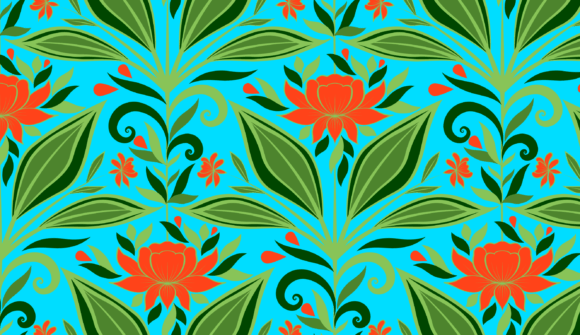
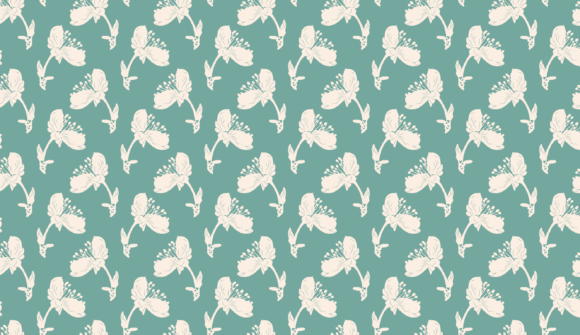
When you first open the files for Floral Minimalism, the immediate takeaway is a sense of calm. The design avoids the cluttered, overly dense look that plagues many floral patterns. Instead, it embraces negative space, allowing the satin stitch and running stitch elements to breathe. For a designer looking to create a handmade product that feels premium without being overwhelming, this is a strong starting point. The theme of a blooming sakura branch suggests a connection to nature and softness, which naturally lends itself to specific niches like nursery decor, bridal gifts, or spring-themed collections.
The visual personality here is refined. It does not scream for attention; rather, it invites the viewer to lean in closer. In the world of digital embroidery files, this subtlety is a double-edged sword. If the design is too simple, it might get lost on a textured fabric. However, if executed with the right thread colors and stabilizer, the delicate lines of the branches can create a sophisticated aesthetic that elevates any item. It feels less like a generic clip art and more like a curated piece of art intended for high-end craft business items.
Real-World Application: From Screen to Stitch
I recently considered using Floral Minimalism for a custom order involving a canvas tote bag for a local florist. The client wanted something that reflected her shop's brand—clean, organic, and modern. The seamless nature of the pattern makes it an excellent candidate for all-over prints or large panel placements. Imagine this design running vertically down the side of a heavy-duty cotton tote, the green stems contrasting softly against a natural beige background. The result would be a functional accessory that looks as good as it performs.
However, let us consider a different scenario: a baby onesie. Here, the stakes are higher regarding safety and comfort. The delicate nature of the Blooming Sakura Branch works beautifully for baby embroidery, provided the stitch density is managed correctly. You do not want stiff, scratchy patches on a newborn's skin. Because Floral Minimalism appears to rely on lighter fill areas rather than massive blocks of dense stitching, it is likely to remain soft and flexible. This makes it ideal for personalized gift items where the tactile experience is just as important as the visual appeal.
For Etsy sellers and small shop owners, this design offers versatility. It could easily transition from a kitchen towel to a pillow cover or even a custom apparel sweatshirt. On a sweatshirt, the minimalism allows the texture of the fleece to complement the embroidery rather than compete with it. The key here is understanding that this is a Patterns category asset, meaning it functions best when used as a decorative accent or a repeating motif rather than a standalone logo for a rugged workwear brand.
Where Caution is Required
While Floral Minimalism is elegant, no design is perfect for every situation. There are specific constraints where this embroidery project might struggle. For instance, attempting to stitch this on a small hoop size (like 4x4 inches) requires careful scaling. If the details are too fine, they may merge together during the stitching process, losing the definition of the individual petals and leaves. Always check the hoop size recommendations before committing to a production run.
Fabric choice is another critical factor. Textured fabrics, such as chunky knits or rough linens, can hide the delicate lines of the design. Similarly, stretchy fabrics like jersey require a stabilizer that prevents puckering; otherwise, the running stitch elements might distort, ruining the flow of the branch. Dark fabrics present a challenge unless you use a light-colored thread or a high-density underlay, which could alter the original aesthetic of the Graphics. Furthermore, for products that need frequent washing, such as aprons or dish towels, ensure the design has sufficient coverage to withstand abrasion without fraying at the edges.
Curved surfaces, like caps and hats, also demand a strategic approach. While the design might look flat and perfect in a digital mockup, the curvature of a cap can stretch the stitch density unevenly. It is often safer to reserve this delicate floral motif for flat items like tote bag designs, pillow covers, or embroidered patches that will be sewn onto a garment later.
Design Notes for the Professional Maker
If you are planning to incorporate Floral Minimalism into your commercial embroidery workflow, there are several technical steps you must take to ensure success. First and foremost, always test the design on scrap fabric that matches your final material. This allows you to see how the fill stitch behaves and whether the tension needs adjustment. Do not skip this step; it saves money and reputation in the long run.
Review the stitch density carefully. If the file is too dense, it will be difficult to embroider and may cause the fabric to pucker. If it is too sparse, the design may lack presence. Since exact specifications were not provided in the product description, you should inspect the file properties to confirm compatibility with your machine. Check whether the design includes a proper underlay, which is crucial for maintaining the shape of the branches.
Color contrast is vital for visual impact. When creating a printable mockup for your online store, compare the design on both light and dark backgrounds. Ensure that the green tones pop without clashing with the fabric color. Additionally, verify the licensing terms before selling finished items. Some design assets allow for personal use only, while others permit commercial sales of the physical goods. Confirming these details protects your craft business from potential legal issues.
Final Verdict on Value and Appeal
In conclusion, Floral Minimalism is a versatile and aesthetically pleasing addition to any library of embroidery project files. Its strength lies in its ability to convey elegance and tranquility without overwhelming the wearer or the viewer. For creative entrepreneurs looking to expand their catalog with holiday embroidery items, wedding gifts, or boutique branding, this design offers a professional touch that customers appreciate.
It fits seamlessly into the narrative of a handmade shop that values quality and detail. Whether you are designing a digital product preview or preparing a batch of small shop products for a craft fair, Floral Minimalism provides a solid foundation. Just remember that successful embroidery is a balance of art and engineering. By testing thoroughly, choosing the right materials, and respecting the limitations of the design, you can transform this digital file into a stunning handmade product that brings joy to your clients and adds value to your brand.