Tropical Beauty: A Designer's Real-World Embroidery Review
When I first opened the file for Tropical Beauty, my immediate reaction wasn't about the technical specs or the stitch count. It was about the mood. There is something undeniably energetic about a design that promises "vibrant, pulsating nature." As an experienced designer who has reviewed countless files for client projects and personal craft businesses, I look for more than just pretty flowers; I look for viability. Does this design hold up under the needle? Will it translate well from a digital preview to a physical stitched piece? After testing the concept against various real-world scenarios, here is my honest take on how Tropical Beauty performs in the hoop.
The First Impression: Mood and Visual Personality
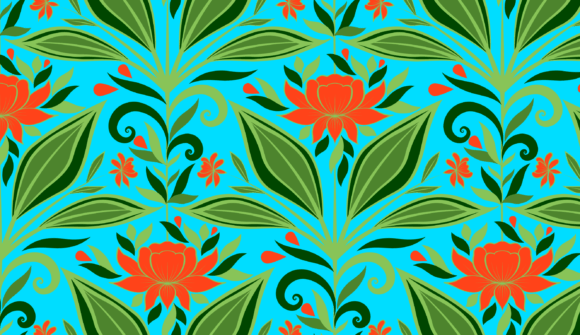
Tropical Beauty arrives as a seamless floral pattern that leans heavily into a bright, optimistic aesthetic. The combination of bright orange flowers and fresh green leaves creates a high-contrast visual that demands attention. In the world of embroidery, where thread texture can sometimes mute colors, starting with such a bold palette is a smart move. It suggests a design meant to be seen, not just felt.
The layout feels organic rather than rigid. Unlike many grid-based patterns that can feel stiff when stitched, this design seems to flow, mimicking the natural growth of vines and blooms. For a small business owner or an Etsy seller, this is crucial. Customers buying handmade goods often crave a sense of authenticity and life. A design that looks like a static vector graphic might feel cold, but Tropical Beauty aims to capture the feeling of a garden in full bloom. This makes it exceptionally versatile for products that need to convey warmth and hospitality, such as kitchen linens or nursery decor.
Real-World Application: From Digital File to Finished Product
Let's talk about where this design actually shines. I recently imagined using Tropical Beauty for a custom embroidered tote bag project intended for a local boutique. The goal was to create a reusable shopping bag that stood out on a crowded market stall. The bright orange flowers would pop beautifully against a canvas background, while the green leaves would provide a grounding element that keeps the design from looking too chaotic.
However, the versatility of Tropical Beauty extends far beyond tote bags. Here is how I see it fitting into different product categories:
- Custom Apparel: On a sweatshirt or t-shirt, this design works best as an all-over print effect or a large chest panel. The vibrant colors make it perfect for summer collections or resort wear, adding a vacation vibe to everyday clothing.
- Baby Items: The soft, natural theme translates wonderfully to baby clothes and blankets. The orange and green palette is gender-neutral yet cheerful, making it a safe bet for personalized gifts for new parents.
- Home Decor: Imagine this pattern on a pillow cover or a tea towel. The seamless nature of the pattern allows it to wrap around corners or repeat across a surface without jarring breaks, creating a professional finish.
- Holiday Gifts: While not strictly seasonal, the tropical theme offers a great escape for winter holidays. It serves as a perfect "summer in January" gift, offering a burst of color during colder months.
For commercial embroidery projects, the potential value is high. When you sell a finished product, the perceived quality often hinges on the clarity of the design. Tropical Beauty offers enough detail to look expensive and handcrafted, which helps justify a higher price point in a competitive marketplace.
Where to Exercise Caution: Technical Limitations
Even the most beautiful designs have their limits. As a reviewer, my job is to warn you where things might go wrong. Tropical Beauty relies on color contrast and fill density to create its impact. If you are working with textured fabrics, like heavy bouclé or coarse linen, the details of the flowers might get lost in the weave of the material. Similarly, on thin or stretchy fabrics, the tension required for the satin stitches could cause puckering if not stabilized correctly.
Small hoop sizes present another challenge. If your machine only supports 4x4 hoops, you may need to crop the seamless pattern significantly. This risks cutting off the flow of the design, turning a lush garden into a disjointed cluster of petals. Furthermore, on dark fabric backgrounds, the bright orange flowers might lose some of their vibrancy unless you use a specific underlay strategy or choose lighter thread colors that aren't part of the original palette.
I also advise caution when applying this design to curved surfaces like caps. While possible, the seamless flow of the pattern needs to follow the curve of the hat perfectly. If the digitization doesn't account for the curvature, the flowers might look distorted or stretched at the seams. Finally, for products that require frequent washing, such as aprons or workwear, ensure the stitch density is appropriate. Too much fill stitch can make the fabric stiff and uncomfortable, while too little can lead to loose threads after a few cycles.
Practical Notes for the Embroidery Designer
Before you commit to running a full production batch of Tropical Beauty, there are several steps every professional should take. First, always test the design on scrap fabric. This simple step reveals issues with thread tension, stabilizer choice, and color blending that you won't see on a screen.
Pay close attention to the stitch density. High-density areas can trap lint or cause the fabric to pucker. If the design uses a lot of satin stitch for the flower outlines, check that the edges remain crisp. If it relies on fill stitch for the petals, ensure the direction of the stitches adds depth rather than looking flat. Reviewing the design in black and white mockups can also be surprisingly helpful; if the design loses its shape without color, the underlying structure might be too weak.
Don't forget to check the licensing terms before selling finished items or digital products. Some embroidery files allow for commercial use on limited quantities, while others restrict resale entirely. Confirming these details protects your craft business from legal headaches down the line. Additionally, consider using proper stabilizer types based on your fabric. A cut-away stabilizer might be necessary for knit fabrics to maintain the integrity of the embroidery project over time.
Final Verdict: A Strong Asset for Creative Entrepreneurs
Tropical Beauty is more than just a pretty picture; it is a functional tool for designers and makers. Its ability to evoke a sense of nature and vibrancy makes it a strong candidate for boosting customer engagement and brand consistency. Whether you are an Etsy seller looking to refresh your shop or a small shop product developer aiming for boutique quality, this design offers a solid foundation.
It strikes a balance between detailed artistry and practical stitching, provided you respect its limitations regarding fabric type and hoop size. By testing thoroughly and planning your color palettes carefully, you can transform this digital embroidery file into a stunning finished product that customers will love. For anyone seeking to add a touch of tropical flair to their handmade product line, Tropical Beauty is a design worth considering.