Christmas Tree Box SVG Review for Real Embroidery Work
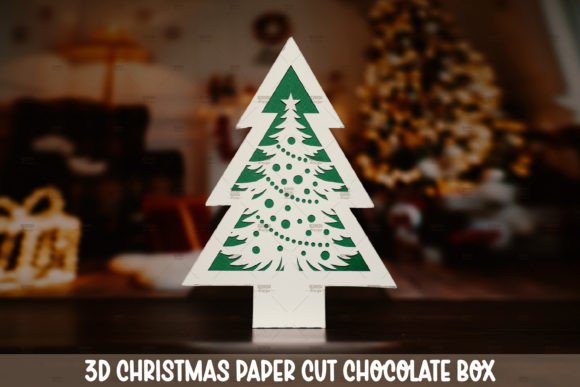
When I first opened the file labeled Christmas Tree Box SVG, my initial reaction wasn't about the holiday cheer, but rather the structural integrity of the design itself. As someone who has spent years turning digital assets into tangible, stitched products for clients and Etsy shops, I look past the pretty preview image to see how a design will actually behave on a machine. This piece presents a unique challenge: it is described as a "paper cut" style explosion box, which implies depth and layering, yet we are discussing its application in embroidery. The transition from a flat paper craft concept to a 3D embroidered texture requires careful consideration.
The mood this design creates is festive and intricate. It suggests a gift that opens up, revealing surprises inside. For an embroidery project, this translates to a need for excellent stitch density and clear definition of lines. If you are planning to use this for custom apparel or boutique merchandise, the visual personality of the Christmas Tree Box SVG works best when the stitching mimics the crisp edges of a paper cutout. However, the description notes that the files must be ungrouped and lines changed to cut well on machines like Cameo or Cricut. This immediately signals to me that while the vector geometry is clean, the embroidery translation depends entirely on how the designer has mapped the stitches to those specific paths.
Real-World Application: From Digital File to Finished Product
Let's imagine a real scenario. I am preparing a limited run of holiday tote bags for a local craft fair. My goal is to create a standout item that feels personal and high-quality. I decide to test the Christmas Tree Box SVG on a heavy cotton canvas tote. The first thing I notice is the complexity of the shape. A paper cut explosion box involves many interlocking pieces and negative space. In embroidery, negative space is where the fabric shows through, which can be beautiful, but only if the surrounding stitches hold their ground.
If I were to stitch this directly onto a sweatshirt for a family gift, the design would likely pop against the knit fabric, creating a textured focal point. The "3D" aspect mentioned in the product type is intriguing. While embroidery cannot physically create a box that pops out, the right combination of satin stitch for outlines and fill stitch for the tree sections can create an optical illusion of depth. I would likely place this on the front chest area of a hoodie or centered on the back of a t-shirt. The contrast between the structured box shape and the soft drape of the garment adds a professional touch that customers appreciate.
However, I also considered using this for baby items, such as a onesie or a small pillow cover. Here, the scale becomes critical. If the design is too large, it might overwhelm a tiny garment. If the details are too fine, they might get lost in the fabric weave. For a baby blanket, the Christmas Tree Box SVG could serve as a charming corner accent or a central motif, provided the thread colors chosen are soft enough not to be harsh against delicate skin. The potential for personalized gifts is high; adding a name inside the "box" or around the tree could elevate the perceived value significantly.
Where Caution is Required
Not every surface is suitable for this level of detail. I would advise against placing this design on curved surfaces like caps without significant digitizing adjustments. The tension required to stitch the sharp corners of a paper-cut style box often causes puckering on the tight curve of a hat brim. Similarly, on stretchy fabrics like jersey knits, the stability of the design relies heavily on the stabilizer used. Without a strong tear-away or cut-away backing, the intricate lines of the Christmas Tree Box SVG might distort during washing.
Textured fabrics present another hurdle. If you are embroidering this on a towel with a looped pile or a fleece material, the needle may struggle to penetrate deeply enough to create clean satin stitches. The result could be a fuzzy outline that loses the crisp "paper cut" aesthetic. Furthermore, on dark fabrics, the choice of thread color is paramount. If the background is black and the design uses light threads, the density of the fill stitch must be high enough to prevent the dark fabric from showing through the gaps. Otherwise, the design will look washed out and amateurish.
Small hoop sizes are also a constraint. If you attempt to stitch this on a very small patch or a keychain, the fine details of the box layers might merge together. The eye needs room to distinguish the different elements of the explosion box. If the design is compressed too much, it becomes a blob of thread rather than a recognizable holiday motif. This is particularly important for commercial projects where brand consistency matters. A blurry logo or design element can erode customer trust quickly.
Practical Designer Notes for Success
Before committing to a full production run, testing is non-negotiable. I always recommend running a test on scrap fabric that matches your final material in weight and texture. This allows you to check the thread color contrast under different lighting conditions. Sometimes a design looks perfect on a computer screen but fails in person due to thread sheen or fabric absorption.
You must review the stitch density carefully. The description mentions changing lines, which implies the file is editable. Ensure that the fill areas are not so dense that the fabric becomes stiff and board-like, especially for wearable items like aprons or shirts. Conversely, ensure they aren't too sparse, which leaves the base fabric visible in unwanted ways. Confirming the hoop size before starting is essential; if the design exceeds your machine's capabilities, you will have to split it, which can ruin the alignment of the box layers.
Inspect the small details closely. Are there any tiny isolated elements that might get lost? These often require manual intervention or additional stabilization. Check whether the design works for both personal and commercial projects by verifying the licensing terms. Many sellers assume a digital download includes commercial rights, but this is not always the case. If you plan to sell finished items featuring the Christmas Tree Box SVG on Etsy or at craft fairs, you need explicit permission to do so.
Finally, consider the presentation. A well-executed Christmas Tree Box SVG embroidery can transform a simple tote bag into a premium gift. The clarity of the stitching reflects directly on the professionalism of the maker. When buyers see clean lines, even thread coverage, and precise placement, they perceive higher value in the handmade product. This design has the potential to be a standout asset for holiday collections, but only if treated with the technical care it demands.
In conclusion, the Christmas Tree Box SVG offers a creative twist on traditional holiday motifs. Its paper-cut inspiration brings a modern, graphic feel to embroidery that can differentiate your work in a crowded market. Whether you are decorating a nursery, creating boutique branding, or crafting personalized gifts, this design provides a solid foundation. Just remember to respect the limitations of the medium, test thoroughly, and choose your materials wisely to ensure the finished product lives up to the promise of the digital file.