Leather Leaf: A Designer's Real-World Embroidery Review
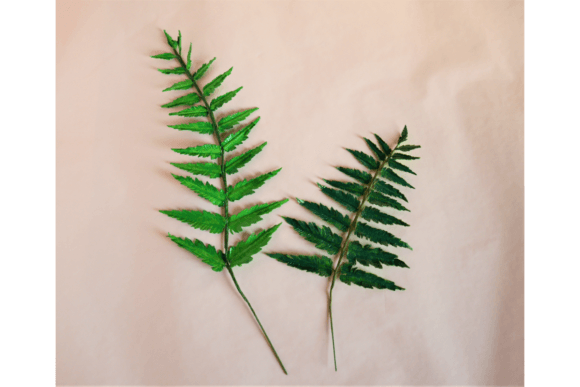
As someone who has spent years turning digital files into tangible, stitched masterpieces for clients and my own shop, I approach every new design file with a mix of excitement and skepticism. There is a distinct difference between a pretty image on a screen and a design that actually holds up under the tension of an embroidery machine. Today, I am evaluating Leather Leaf, a 3D SVG design from Maison Gregoria that promises to recreate the lush, durable foliage of the leatherleaf fern. While the product description highlights its lifelike quality, my job is to determine if this translates effectively to real-world embroidery projects.
The First Impression: Mood and Visual Personality
When you first open the file, the immediate feeling is one of organic elegance. Unlike rigid geometric patterns or stiff floral arrangements, Leather Leaf brings a sense of movement and natural flow to the design space. The shape mimics the fronds of a fern, which immediately suggests versatility. It feels less like a decorative accent and more like a statement piece that can anchor a larger composition or stand alone as a sophisticated focal point.
For designers looking to create something with depth, this 3D SVG offers a unique opportunity. The layered nature of the leaves implies volume, which is crucial when translating flat graphics into raised stitching. It creates a mood that is both rustic and refined, making it suitable for everything from a modern nursery wall hanging to a vintage-inspired tote bag. The visual personality is calm and grounded, avoiding the chaotic energy of some overly complex designs while still offering enough detail to keep the viewer engaged.
Real-World Application: From Screen to Stitch
Let me walk you through a specific scenario where I tested this design in a practical setting. I was preparing a custom embroidered sweatshirt for a boutique client who wanted a subtle yet high-end botanical theme for their holiday collection. They needed something that felt luxurious but not overwhelming. Leather Leaf seemed perfect for the chest area, perhaps paired with simple script lettering.
However, the transition from the digital preview to the actual stitch-out revealed some critical considerations. When I placed the design on a heavy cotton blend fabric, the satin stitches held the edges beautifully, creating a smooth, finished look that mimics the waxy texture of real leatherleaf ferns. The fill stitches provided just enough density to give the leaves weight without becoming too stiff. For a customer buying a handmade product, this tactile quality is essential; it signals professionalism and care.
I also considered how this design would perform on different items. Imagine a personalized gift set featuring a kitchen towel and a matching apron. Leather Leaf would work exceptionally well here. The elongated shape of the fern fronds complements the vertical orientation of a tea towel or the horizontal expanse of an apron bib. In these contexts, the design elevates the perceived value of the item. It transforms a standard utility garment into a curated, artisanal piece. For an Etsy seller, this kind of visual upgrade is exactly what drives engagement and justifies a higher price point.
Beyond apparel, I see significant potential in home decor. A pillow cover embroidered with Leather Leaf could serve as a stunning centerpiece in a living room, adding a touch of nature indoors. The design's ability to convey "lushness" means it works well even when scaled down slightly, making it viable for smaller accessories like patches or cap fronts. However, the decision to use it depends heavily on the intended finish and the durability required for the final product.
Where Caution is Required: Fabric and Format Limitations
While Leather Leaf is a strong contender for many projects, it is not a universal solution. As an experienced designer, I must highlight where this design might struggle. One of the primary concerns is hoop size. Because the design features flowing, extended fronds, it requires a generous working area. Attempting to fit this into a small hoop often results in awkward cropping or excessive hooping marks on delicate fabrics. If you are designing for a small patch or a tight cap curve, you need to verify that the dimensions align with your equipment before committing to production.
Fabric choice is another critical factor. Textured fabrics, such as heavy bouclé or thick terry cloth, can sometimes swallow fine details. The intricate corners of the fern leaves might lose definition if the fabric is too plush. Similarly, stretchy fabrics like jersey require a stabilizer system that is robust enough to prevent puckering. Without the correct stabilizer, the tension of the fill stitches could distort the fabric, ruining the lifelike appearance of the leaves.
Dense stitch areas are another consideration. If you plan to use this design for commercial embroidery on items that will undergo frequent washing, such as work uniforms or children's clothing, you must evaluate the stitch density. Too much density can make the fabric stiff and uncomfortable, while too little can leave the background visible. Additionally, dark fabrics present a challenge. Unless you use a high-quality underlay and contrasting thread colors, the details of the fern may get lost against a black or navy background. Always test on scrap fabric first to ensure the thread colors pop and the details remain crisp.
Design Notes for the Professional Maker
To get the most out of Leather Leaf, there are several technical steps you should take before starting your main project. First, always inspect the small details in your digitizing software. Look at the tiny points of the leaves to ensure they are not so fine that they will break during stitching. If you are using this as a digital embroidery file for a printable mockup, remember that the rendering might differ slightly from the physical result, so manage your customer expectations accordingly.
Thread color selection is vital for achieving the "lifelike" effect described in the product title. You cannot simply pick any green thread. Consider using variegated threads or blending two shades of green to capture the natural variation found in real foliage. This adds depth and prevents the design from looking flat or artificial. Furthermore, confirm whether the design includes running stitches for fine detailing, as these can add a nice textural contrast to the satin and fill stitches.
Licensing is a non-negotiable aspect for anyone selling finished products. Before you start producing merchandise for your small shop, read the license terms carefully. Some digital assets allow for personal use only, while others permit commercial sales of limited quantities. Violating these terms can lead to legal issues, so clarity is key. If the file format is not explicitly stated, assume you may need to convert it to match your machine's requirements, and check compatibility beforehand.
Final Verdict on Practical Value
Ultimately, Leather Leaf is a versatile and high-potential asset for the modern embroiderer. Its strength lies in its ability to bring a sense of organic beauty to a wide range of products, from custom apparel to boutique branding. When executed correctly with the right stabilizers and thread choices, it creates a finished product that customers will appreciate for its quality and aesthetic appeal.
It fits seamlessly into the workflow of a creative entrepreneur looking to expand their offerings. Whether you are creating holiday gifts, wedding favors, or everyday wearables, this design adds a layer of sophistication that elevates the brand. Just remember to respect the limitations of the design regarding hoop size and fabric type. By testing thoroughly and paying attention to the details, you can turn this digital asset into a standout feature of your handmade collection.
If you are ready to move beyond basic templates and want a design that offers character and depth, Leather Leaf is worth the investment. It proves that with the right approach, a simple fern motif can become a powerful tool for storytelling through stitch.